
Propane Perspectives
Propane Ranges for Cabins: What You Need to Know About Off-Grid Cooking
Propane ranges are the most reliable cooking solution for remote and off-grid cabins across Canada. They deliver instant heat, precise flame control, and continue working during power outages. Choosing the right propane range requires understanding BTU output, CSA certification, ventilation requirements, and professional installation by a licensed gas fitter.
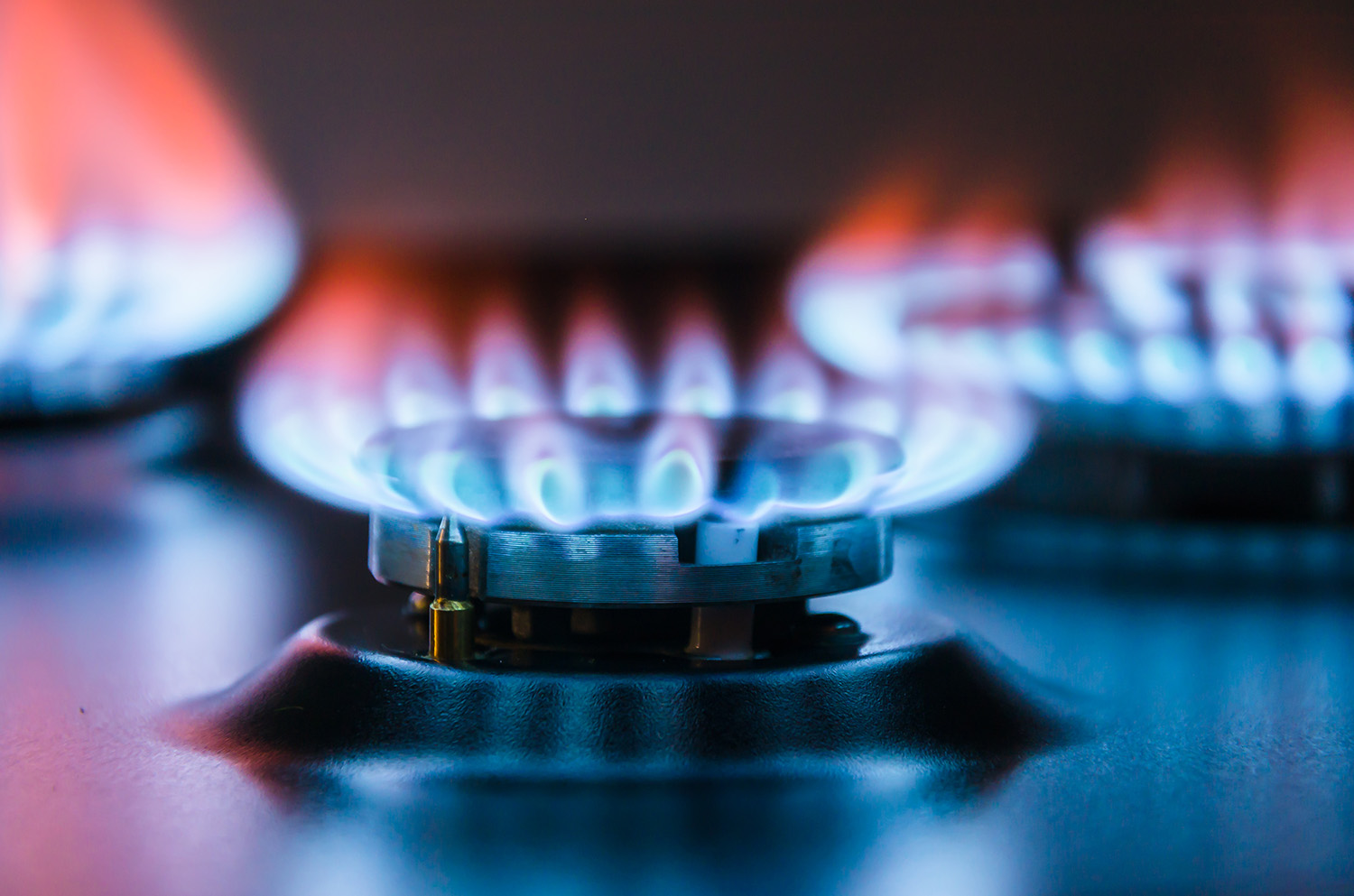
Grid electricity at a remote property is inconsistent at best. In parts of rural Ontario, British Columbia, Nova Scotia, and New Brunswick, extending electrical service to a seasonal property can be prohibitively expensive — if it’s possible at all. That’s where propane earns its place. Propane is a complete off-grid energy solution that powers your range, water heater, and furnace from a single tank. The Canadian Propane Association recognizes propane as a primary fuel source for properties without natural gas access, including remote and seasonal cabins across Canada.
This guide covers everything cabin owners need to know about propane ranges: why they outperform electric alternatives at remote properties, what types are available, how to choose the right size, and what safe installation and maintenance looks like. If you’re setting up a cabin kitchen from scratch — or replacing an aging appliance — here’s where to start.
.
Why Propane Ranges Are the Best Cooking Solution for Remote Cabins
Do Propane Ranges Work During Power Outages?
Yes. This is the single biggest advantage of a propane range at a remote or seasonal cabin. When the power goes out — during a February ice storm, a spring flood, or a summer lightning strike — a propane range keeps working. Electric ranges go dark the moment the grid fails. A propane range doesn’t rely on electricity to produce heat; it relies on fuel in the tank.
For cabin owners in rural Canada, grid reliability isn’t guaranteed. Choosing a propane range means your kitchen functions regardless of what’s happening on the power lines down the road.
How Does Propane Cooking Performance Compare to Electric?
The performance difference is significant, and it’s the reason professional kitchens have run on gas for decades. Propane burners respond instantly to adjustments — turn the knob down and the flame drops right away. There’s no lag, no residual heat radiating off a coil, no guessing about actual temperature. Simmer control is more accurate. Boil times are faster.
According to the Canadian Propane Association, propane ranges provide even heating, precise temperature control, and instant on/off capability — resulting in better temperature control and higher heating capacity than electric alternatives. Propane cooktops also cool down much faster than electric ones after being turned off, which helps prevent overcooking and adds a practical safety benefit in a busy cabin kitchen.
Are Modern Propane Ranges Energy Efficient?
Energy efficiency has improved substantially. Many recent propane range models are Energy Star certified and are 30% to 60% more efficient than older generation models, according to the Canadian Propane Association. Modern propane cooktops are typically equipped with thermostatic controllers that allow for optimal temperature responsiveness, with homogeneous heat distribution across the entire cooking surface. For a seasonal cabin where propane delivery needs to be planned in advance, a more efficient range means your tank goes further.
Types of Propane Ranges for Canadian Cabins
What Is a Freestanding Propane Range, and Is It Right for a Cabin?
A freestanding propane range is the right choice for most permanent or semi-permanent cabin setups. These are full-size or apartment-size gas ranges designed for indoor installation — four or five burners, a gas oven, and standard cooking controls. They connect to a larger propane tank through a fixed gas line and look and function like a residential kitchen range.
Freestanding propane ranges require a licensed gas fitter for installation, proper ventilation, and connection to an appropriately sized tank. For cabin owners setting up a complete cooking setup, this is the practical long-term solution.
When Does a Built-In Propane Cooktop Make Sense?
Built-in propane cooktops sit flush in a countertop and connect to the same propane supply as the rest of the cabin’s system. They’re a good fit for smaller off-grid homes or layouts where a full-size range isn’t practical. Most are two- or three-burner units.
The installation requirements are the same as a freestanding range: a licensed gas fitter, proper venting, and a CSA-certified appliance.
Can You Use a Portable Camping Propane Stove Inside a Cabin?
No. Portable camp stoves — the folding two-burner units that run on 1 lb disposable cylinders — are not certified for indoor use and should never be operated inside a cabin or enclosed space. They are not ventilated to manage combustion byproducts in an enclosed area, and using them indoors creates a serious carbon monoxide risk. If portability is needed, look specifically for appliances certified for indoor residential use. These exist, but they are a different category from what’s sold at outdoor retailers.
Choosing the Right Propane Range for Your Cabin
What BTU Output Does a Cabin Propane Range Need?
BTU output determines how quickly and powerfully a range can heat food. For a cabin kitchen, matching BTU capacity to how the range will actually be used matters more than choosing the highest output available.
A standard residential propane range typically delivers 9,000 to 15,000 BTUs per burner. Higher BTU burners — 18,000 to 20,000 BTUs — are useful for quickly boiling large pots or searing meat over high heat. If the cabin hosts large groups during hunting or fishing season, a range with at least one high-BTU burner makes a practical difference. For a small weekend cabin used by two people, a standard apartment-size range is usually sufficient.
When sizing the range, account for the full propane system. If the cabin already runs a furnace, water heater, and other appliances off the same tank, the gas supply line needs to be sized to handle the combined BTU load of everything running at once. A licensed gas fitter confirms this during installation.
What Features Should You Look for in a Cabin Propane Range?
Beyond BTU output, a few features are worth prioritizing for cabin use:
- Convection oven: A convection setting circulates heat more evenly and reduces cooking time — useful when preparing meals for a group.
- Sealed burners: Easier to clean and less likely to clog with food debris over a season of use.
- Continuous grates: Allow you to slide cookware across burners without lifting, which is convenient in a busy cabin kitchen.
- Griddle option: Some ranges include a centre griddle burner, which is well-suited for cabin breakfasts.
- Manual ignition capability: Some propane ranges can be lit manually if the electronic igniter fails. In a remote cabin, this is a practical backup worth confirming before purchasing.
Does a Propane Range Require Special Installation in a Cabin?
Yes. Gas appliance installations in Canada require a licensed gas fitter — this applies to propane ranges the same as it does to furnaces and water heaters. The gas line connection, regulator setup, and appliance commissioning all need to be completed by a licensed professional. Connecting a propane appliance to a gas supply yourself is not permitted under Canadian regulations.
At installation, the gas line is sized to the BTU load of the range plus any other connected appliances. The system is pressure-tested before gas flows, the range is lit and the flame is checked (a clean, steady blue flame indicates complete combustion), and a soap-and-water test or electronic leak detector confirms no leaks at fittings or connections.
CSA certification is required for the appliance itself. When purchasing a propane range for a new cabin setup, confirm it carries CSA certification for indoor use before buying.
Propane Safety in Cabin Settings
What Ventilation Does a Propane Range Require?
A propane flame needs oxygen to burn completely. In a cabin — particularly a well-insulated, tightly built structure — an installed propane range requires a supply of fresh combustion air and a way to exhaust combustion gases from the space.
The Régie du bâtiment du Québec notes that adequate airflow and unobstructed venting are requirements for propane appliances used indoors. The same principle applies across all Canadian provinces under CSA B149.1 and equivalent provincial codes. For a cabin range, this means a range hood vented to the exterior, or at minimum a window that can be opened when the range is in use.
Nothing should block the fresh air supply to the burner area. A licensed gas fitter confirms ventilation is adequate during installation.
Why Are Carbon Monoxide Detectors Required with a Propane Range?
Propane is heavier than air. Unlike natural gas, which rises and disperses upward in an enclosed space, propane sinks and accumulates at floor level — under counters, along the floor, in crawlspaces. A range that’s burning cleanly produces minimal carbon monoxide. A range that’s poorly adjusted, dirty, or starved of air can produce dangerous quantities in an enclosed space.
The Canadian Propane Association recommends installing CO detectors on every level and ensuring adequate ventilation for all propane appliances — advice that’s especially critical in smaller cabin spaces where propane can accumulate quickly.
Three non-negotiable requirements for any cabin with a propane range:
- CO detectors on every level, tested every six months and replaced on schedule
- CSA-certified appliance, configured for indoor residential use — this is a code requirement
- Adequate combustion air supply and exhaust venting for all permanently installed appliances
How Should Propane Tanks Be Stored at a Cabin?
For portable cylinders, storage should always be outdoors when not in use. The Canadian Propane Association is clear that cylinders should be kept upright, stored outside, and away from heat sources. Small 1 lb disposable canisters should never be stored indoors near heat.
For larger installed tanks — 118 gallon, 500 gallon, or 1,000 gallon — provincial codes set minimum setback distances from buildings, property lines, and ignition sources. A tank connected to a cabin’s gas line must be positioned outdoors on a stable surface, with the regulator protected from weather and the valve accessible for shutoff.
If a propane tank is already installed at the cabin and you’re adding a range to the appliance load, confirm the supply system is sized for the additional BTU draw before connecting anything.
Beyond the Range: Other Propane Applications in Your Cabin
One of the practical advantages of choosing a propane range is that propane integrates naturally with other cabin appliances. If the property already runs a propane furnace, water heater, or refrigerator, adding a propane range uses the same tank and supply setup — no additional fuel type to manage.
Heating: Propane furnaces provide reliable, efficient heating for cabins in any Canadian climate. Space heaters offer supplemental warmth in specific rooms or during shoulder seasons when running the full furnace isn’t necessary.
Hot water: Propane water heaters deliver consistent hot water on demand. Tankless propane water heaters are particularly well-suited to cabin use — they heat water only when needed, which is more efficient than maintaining a tank at temperature during periods when the cabin sits empty.
Outdoor living: Propane BBQ grills, fire pits, and patio heaters extend the usable season at a cabin and make outdoor entertaining practical well into cooler weather. Some cabin owners also use propane for specialized applications like ice-making equipment or maple syrup boiling operations.
Maintenance Tips for Cabin Propane Ranges
A cabin propane range sits unused for weeks or months at a time. A short inspection at the start of each season keeps it running safely and reliably.
- Clear burner ports: Spider webs and insect debris clog burner ports over a winter closure. Blocked ports cause uneven flame or ignition problems. A stiff brush and a can of compressed air clear most clogs without tools.
- Inspect hoses and connections: Flexible propane hoses degrade through temperature extremes. Look for cracking, brittleness, or wear near fittings. Replace any hose with visible damage before using the range.
- Check the flame: A clean propane flame burns steady and blue. Yellow or orange in the flame indicates a problem — dirty burner, incorrect air-to-gas ratio, or a calibration issue. Don’t continue using the range until a technician has inspected it.
- Schedule an annual professional inspection: A licensed technician checks the full propane supply system — connections, regulator, gas line, and appliances — and catches issues that are easy to miss and worth finding before they become problems at a property that may sit empty between visits.
The Environmental Benefit of Propane for Cabin Owners
Propane burns cleaner than heating oil and coal, producing lower greenhouse gas emissions per unit of energy delivered. For cabin owners with a moderate to high concern about environmental impact — a common characteristic among rural property owners in Canada — propane offers a meaningful step toward a lower-emissions energy setup without the reliability trade-offs of other alternatives in remote areas.
Propane also supports renewable energy integration. Renewable propane, produced from biological and waste feedstocks, uses the same appliances and infrastructure as conventional propane — meaning that as the renewable supply grows, cabin owners can transition without replacing equipment.
Setting Up Your Cabin Kitchen With Confidence
A propane range is one of the most reliable investments you can make in a remote or off-grid cabin. It works when the power doesn’t, delivers the kind of precise heat control that makes cooking genuinely enjoyable, and integrates with the rest of your cabin’s propane system on a single fuel supply.
Getting the setup right means choosing a CSA-certified appliance sized to your cooking needs, having it installed by a licensed gas fitter, and making sure ventilation and CO detection are in place before the first use. A propane range that checks those boxes will run dependably for years with minimal attention.
If you’re planning propane service for a new or existing cabin — including propane tank installation, delivery, and appliance setup at a remote or seasonal property — contact the Avenir Energy location nearest you. Our team supports cabin owners across Canada with properly sized tanks, licensed installations, and reliable propane delivery so your property is ready when you are.
Paul M. Ladner, CEO of Avenir Energy, notes: “For cabin owners, a propane range can be part of a complete off-grid energy system that has to work safely and reliably. At Avenir Energy, we support remote and seasonal properties across Canada with properly sized tanks, licensed appliance installations, and ongoing delivery and maintenance.”
