
Propane Perspectives
Propane Stoves for Cabins: Safe and Efficient Heating Guide
Propane stoves are one of the most reliable heating solutions for Canadian cabins and seasonal properties. They operate without grid power, deliver high BTU output immediately, offer up to 90% combustion efficiency, and require no firewood storage or ash cleanup. Direct vent models are the preferred choice for safe, code-compliant installation in enclosed cabins.
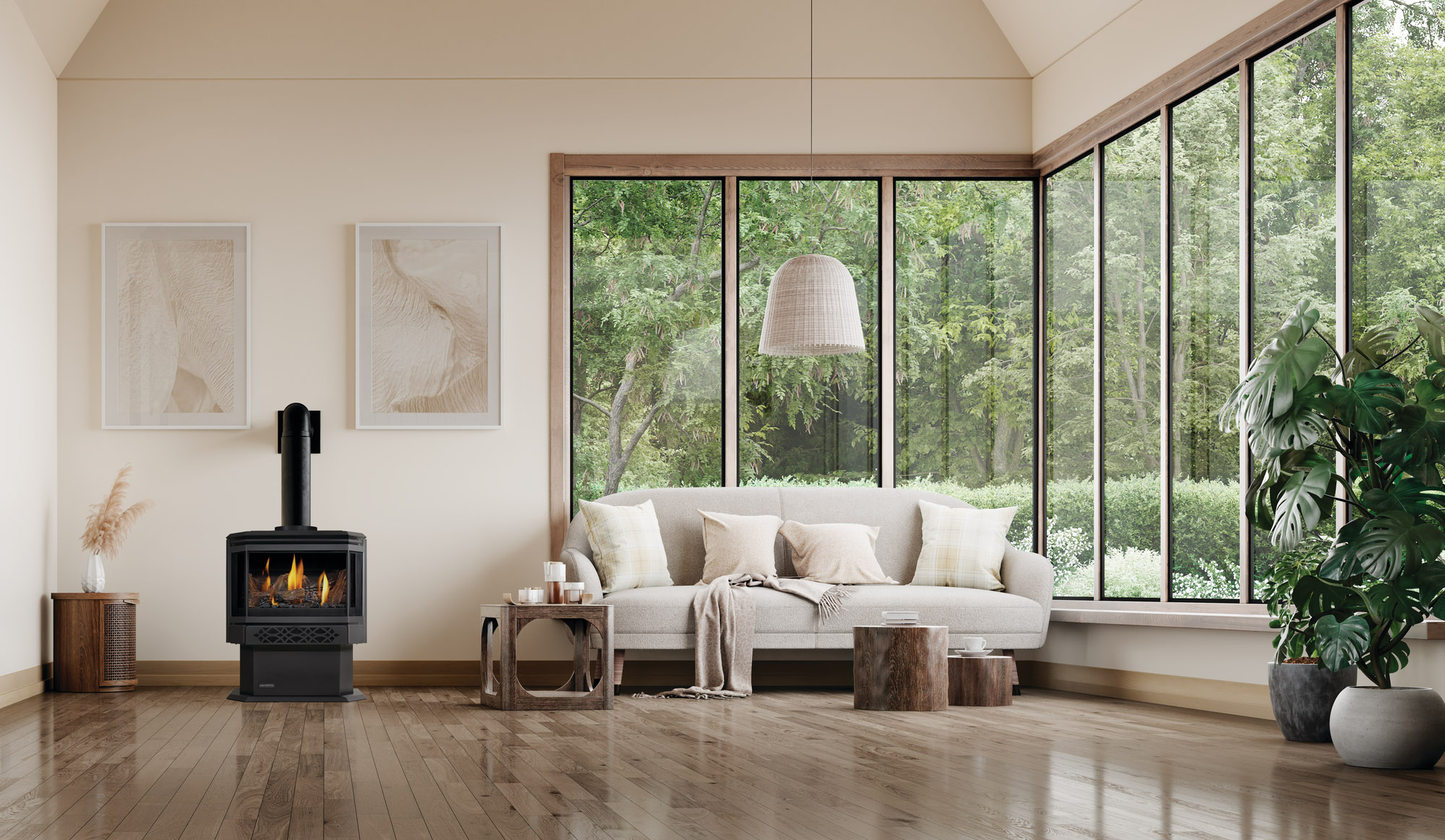
Why Are Propane Stoves a Smart Choice for Canadian Cabins?
The short answer: they work when other systems don’t. A February ice storm that cuts power for three days renders an electric baseboard heater completely useless. A propane stove keeps heating as long as there is fuel in the tank. For remote properties where outages are longer and less predictable than in the city, that reliability isn’t a luxury—it’s a necessity. Propane also responds fast. Unlike heat pumps or electric systems that take time to warm a cold space, a propane stove delivers high BTU output immediately. That matters enormously when you arrive at a cabin on a Friday evening in January after the property has been sitting empty for weeks. For properties already running propane for a water heater, range, or generator, adding a stove draws from the same tank and supply line. One fuel source, one delivery schedule, one supplier relationship—simple.What Are the Key Advantages of Propane Stoves in a Cabin Setting?
Efficiency and Heating Capacity
According to the Canadian Propane Association, propane fireplaces and heating stoves offer up to six times the heating capacity of wood fireplaces, operating at 90% combustion efficiency. That’s not a minor difference—it’s the gap between a system that struggles to keep up and one that maintains a uniform ambient temperature throughout the space. Propane stoves also offer automatic temperature control, meaning you set the heat you want and walk away. No feeding logs, no monitoring flames, no waking up to a cold cabin because the fire burned out overnight. Operating costs compare favourably against electric heating options, particularly in regions where electricity rates are high or supply is unreliable.Convenience and Ease of Use
The contrast with wood-burning alternatives is significant. Propane stoves start automatically, require no firewood storage, and produce no smoke, soot, or ash. The cleanup that comes with a wood stove—hauling ash, cleaning glass, managing chimney buildup—simply doesn’t apply. Maintenance is minimal compared to wood-burning units, which makes propane especially practical for seasonal properties where owners aren’t on-site to manage daily upkeep.Environmental Benefits
Propane burns significantly cleaner than wood. Propane heating stoves produce fewer heavy particles and less carbon monoxide than traditional wood-burning fireplaces, resulting in a smaller environmental footprint. Propane is also an ideal alternative in areas where wood stoves are banned or restricted during certain periods of the year due to air quality regulations—a consideration that applies in an increasing number of Canadian municipalities.Versatility and Functionality
Propane isn’t just for heating. Many cabin setups run a propane cooktop or range alongside a heating stove, all from the same tank. On the heating side, propane stoves can be equipped with ceramic glass panels that help diffuse heat evenly, and heat-circulating fans that push warm air throughout the space. Some models include a secondary heat exchanger that captures additional heat and circulates it more broadly—useful in open-concept cabins with higher ceilings or more square footage to cover.How Do You Choose the Right Propane Stove for Your Cabin?
What Factors Should You Consider When Selecting a Cabin Propane Stove?
Start with the basics: cabin size, insulation quality, and intended use. BTU output and sizing is the most important decision you’ll make. A unit that’s too small will run constantly without reaching the target temperature. A unit that’s too large will short-cycle, reducing efficiency and accelerating wear. The Canadian Propane Association recommends a general rule of 30 to 60 BTU per square foot for Canadian cabins, adjusted for insulation quality and regional climate. Here’s a practical rough guide:- 400 sq ft or less: 8,000 to 15,000 BTU — suitable for a single well-insulated room or small camp
- 400 to 700 sq ft: 15,000 to 25,000 BTU — appropriate for a two-room or open-plan cottage
- 700 to 1,200 sq ft: 25,000 to 40,000 BTU — right for a larger cabin used as a primary heat source
What Types of Propane Stoves Are Available for Cabins?
Direct vent propane stoves are the standard choice for permanent or year-round cabin installations. These units draw combustion air from outside through a sealed pipe and exhaust gases back outside through the same assembly. Because combustion is completely isolated from the room air, direct vent stoves are safe for tight, well-insulated spaces and fully appropriate under Canadian building codes for full-time residential use. Sizes range from 8,000 BTU for a single small room up to 35,000 BTU for larger, open-concept cabins. Propane fireplace stoves combine the heating function of a stove with the visual appeal of a fireplace, typically through a glass-ceramic front panel. Most are direct vent units and carry the same installation requirements. They’re common in cottage and cabin settings where the heating appliance doubles as the room’s focal point. Propane cooktop stoves and ovens extend propane’s usefulness beyond heating. Many cabin owners run a propane range from the same tank supply, keeping the entire cooking and heating setup on a single fuel source.What Are the Installation Requirements for a Cabin Propane Stove?
Gas appliance installations in Canada require a licensed gas fitter. This is not a grey area—under Canadian regulations, the gas line connection, regulator setup, and appliance commissioning must be performed by someone licensed to carry out that work. Self-installation of a propane heating appliance carries serious safety and legal risks. A professional installation covers:- Gas line sizing to match the BTU load of the stove plus all other connected appliances
- Full system pressure testing before gas flows to any appliance
- Vent pipe installation and sealing to manufacturer specification for direct vent units
- Leak testing at all fittings and connections
- Appliance lighting and confirmation of correct flame and heat output before sign-off
What Maintenance and Safety Practices Are Required for Cabin Propane Stoves?
Regular Cleaning and Inspections
At the start of each season, before the first use after a long closure, work through this checklist:- Inspect the vent pipe: Birds and insects can nest in or partially block the exterior vent cap during months of non-use. A blocked vent means combustion gases cannot exit safely. Check and clear before lighting.
- Check hoses and connections: Flexible propane hoses degrade through temperature extremes. Look for cracking, brittleness, or wear near fittings. Visible damage means replacement before use.
- Test pilot and ignition: A standing pilot should light cleanly and hold flame without repeated attempts. Difficulty lighting often indicates a dirty pilot orifice or a failing thermocouple.
